Bedding • UK buying guide
What Shapes the Cost of a Luxury Wool Mattress Topper?
A luxury wool mattress topper can look like a simple extra layer, but its price reflects a surprisingly detailed mix of materials, construction and finishing. Here’s how to assess what you’re paying for—and whether those features suit the way you sleep.
Published 18 October 2026
The appeal of a wool mattress topper is easy to understand: it can add a softer, more cushioned feel to a bed while bringing natural fibres into the sleep setup. But once you start comparing premium options, the prices can vary considerably. The label “wool” alone does not explain why. Fibre selection, the number and arrangement of layers, the outer fabric, the way the filling is held in place and even the finishing details all contribute to the final cost.
That does not mean the highest-priced topper is automatically the best value. A costly design may offer a complex blend of fibres and careful workmanship, but those features matter only if they address your priorities. If you tend to sleep warm, for example, breathable materials may be more relevant than extra loft. If you want to change the feel of a firm mattress, the topper’s thickness and filling may matter more than an elaborate border.
This guide explains the main factors behind luxury wool mattress topper costs in the UK. It uses premium Vispring designs as a reference point for discussing layered natural fillings and craftsmanship, while keeping the focus on how to compare specifications—not on headline prices or sales claims.
Start with the wool itself
Wool is not a single, uniform material. Its feel and performance can vary according to fibre characteristics, processing and how it is used in a topper. A product description may identify British wool or name a particular wool type, but it may not spell out every detail about grading, preparation or the amount used. When specifications are limited, it is reasonable to ask the retailer or manufacturer for clarification rather than assuming that a more poetic description guarantees a better-performing product.
The quantity and arrangement of wool can also influence cost. A light filling used for a modest cushioning effect is different from a generously filled design intended to create a more substantial surface. More material typically means more weight and handling, while carefully distributing it throughout a pad can add labour. Still, greater loft is not automatically better: a thick topper can change the way a mattress feels more than you intend, and it may not suit someone who prefers a close, stable surface.
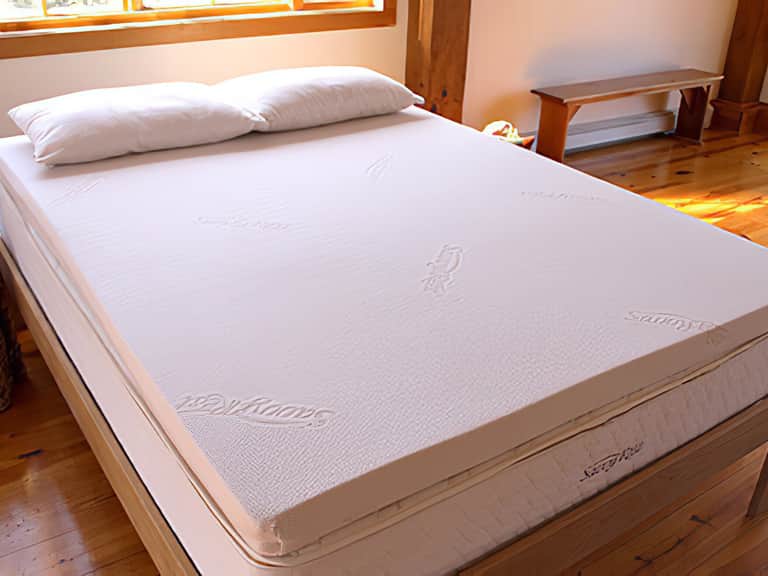
Premium designs may combine wool with other fibres rather than relying on wool alone. For example, Vispring’s Diamond Majesty topper is described as an eight-layer design using Shetland wool, royal alpaca, cashmere, horsetail, British wool and bamboo. That kind of layered recipe is one reason two products called “wool toppers” can sit in very different price brackets. The blend may introduce a wider range of textures and properties, but it also makes the product more complex to manufacture.
Layering and construction: what complexity adds
A single, straightforward filling is generally easier to describe and assemble than a topper built from several distinct layers. In a multi-layer design, each material needs to be placed in the intended sequence and held securely. The layers may be selected to create a particular balance of cushioning, resilience and breathability. That assembly calls for more planning and often more labour than a simple pad.
The number of layers, however, should be treated as information rather than a score. Eight layers may sound impressive, but the number alone cannot tell you whether the topper will feel comfortable on your mattress. Ask what each layer is intended to do, how thick the finished topper is, and whether the construction is designed to change the surface feel or simply add a light cushion. Clear specifications are more useful than a long materials list without context.
Construction also affects how well a topper holds its shape. Stitching, quilting or other methods of securing the filling can help limit shifting, although the exact approach varies between products. Consistent finishing may support a more even sleeping surface over time. Look for an explanation of how the filling is contained and whether the design is expected to settle with use. Natural fibres can compress gradually; that does not necessarily mean a product is faulty, but it is sensible to understand what normal wear may look like.
Cover fabric and finishing details
The outer cover is more than decoration. It is the part of the topper that meets the sheets and helps contain the filling. Its fibre, weave and construction can affect touch, airflow, durability and care requirements. A finely finished cover may add to production costs, particularly when it is paired with carefully assembled internal layers.
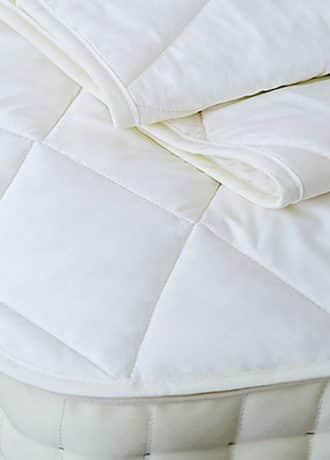
Details such as bound edges, contrasting trim, corner attachments and fitted skirts can also influence the overall price. Some are functional: secure corner straps, for example, can help keep a topper in place. Others are primarily finishing choices. Neither should be mistaken for proof of better comfort. Consider whether the attachment system suits your mattress depth and whether the topper is likely to stay put as you turn during the night.
A well-made finish can make a product feel considered, but it should be weighed alongside the less visible qualities: the materials inside, their amount, the assembly and the clarity of the care instructions. If two toppers look similar in a product photograph, compare their written specifications rather than relying on appearance alone.
Temperature regulation and comfort
Wool is often chosen for its ability to help manage warmth and moisture, which is one reason it appears in premium bedding. A breathable natural-fibre construction may feel different from a dense foam layer, but no material can guarantee that every sleeper will feel cool. Room temperature, bedding, mattress construction, sleepwear and individual comfort all play a part.
A topper’s comfort depends on how its materials work together. Wool can add cushioning, while more resilient fibres may contribute spring and a less deeply sinking feel. Other fibres in a blend may be included to alter softness, breathability or support. The practical question is not whether a description sounds luxurious, but whether the combination is likely to suit your sleep preferences.
Think about the problem you want the topper to solve. If your mattress feels slightly too firm, a cushioning layer may help. If the mattress is sagging, uneven or no longer supportive, a topper is unlikely to repair the underlying issue. It may disguise discomfort temporarily, but it cannot restore a worn-out mattress core. Matching the topper to the condition of the bed is an important part of assessing value.
Pressure relief is personal
People experience pressure differently depending on body shape, sleeping position and the firmness of the mattress beneath them. A side sleeper may notice pressure at the shoulder and hip, while a back sleeper may prefer a more even, gently cushioned surface. A topper that compresses too much can feel enveloping; one that is too thin may make little noticeable difference.
This is why it helps to find out whether a retailer offers a meaningful trial period and to read the terms before ordering. Check how long a trial lasts, whether collection or return charges apply, and whether the product must be in a particular condition. The ability to test a topper at home may be more valuable than an impressive specification, especially when comfort is difficult to judge from a description.
Size, fit and UK-specific costs
The size of the topper matters because larger versions require more fabric and filling. Make sure you compare like with like: a price for a single is not directly comparable with one for a king or super king. UK mattress dimensions can differ from international sizing, so check the stated measurements rather than relying only on a size name.
Before placing an order, confirm the topper’s actual dimensions and how it is designed to attach. A topper that is too small can leave part of the mattress exposed; one that is too large may bunch at the edges. Also check the depth of your mattress if the design uses a fitted skirt or deep-pocket construction. An otherwise attractive option may be poor value if it does not fit securely.
Delivery is another part of the total cost. In the UK, check whether delivery is included, whether the item is sent to the room of choice, and whether any restrictions apply to remote areas or certain postcodes. If a topper is made to order, ask about lead times and whether that affects cancellation or return rights. Prices and delivery arrangements can change, so verify the terms at the point of purchase.
Care requirements and everyday practicality
A luxury topper is an investment in the feel of a bed, but its care instructions should fit your household. Some wool products are not suitable for machine washing, while others may have specific cleaning requirements. Regular airing, using a mattress protector and promptly following the manufacturer’s guidance can help keep bedding fresh. Do not assume that a natural filling is washable simply because the fibre itself is familiar.
Consider how easy the topper will be to handle. A substantial, multi-layer design may be heavier to lift, rotate or air than a thinner pad. If you have limited storage or need to move bedding frequently, that practical detail deserves a place in the decision. A premium construction that is awkward to maintain may be less suitable than a simpler option that you can care for consistently.
Care instructions can also affect long-term value. A product that needs professional cleaning, careful drying or particular storage may have costs beyond its purchase price. Ask what is covered by any warranty and what maintenance is expected. A warranty is not a promise that the topper will remain unchanged forever; read the exclusions and understand how claims are assessed.
How to judge value without relying on a headline price
A useful comparison starts with the total cost and the details behind it. Record the size, materials, thickness, construction, attachment method, care requirements, delivery terms and return policy for each topper you are considering. This makes it easier to see whether a higher price reflects a genuinely different design or simply less transparent product information.
- Check the filling: Identify the fibre types and, where possible, how much of each is used.
- Understand the layers: Look for a clear description of the construction and what each layer contributes.
- Confirm thickness and size: Compare equivalent dimensions and consider how much the topper is likely to alter the bed’s feel.
- Assess the cover and fit: Check the fabric, finishing, attachment system and suitability for your mattress depth.
- Read the care guidance: Make sure the maintenance routine is realistic for you.
- Calculate the delivered cost: Include delivery and any likely care or return expenses.
- Match the product to your need: Decide whether you want extra softness, improved cushioning or a different surface feel.
You can also think about value over the period you expect to use the topper. A higher initial cost may be reasonable if the materials, workmanship and care expectations fit your needs and the product is used regularly. But it is not helpful to divide the purchase price by an imagined lifespan and treat the result as a guarantee. Durability depends on construction, care and use, and advertised claims should be supported by clear terms.
When a premium wool topper may—and may not—make sense
A premium wool mattress topper may appeal if you value natural fibres, want to add a distinct layer of cushioning, or are looking for a carefully made bedding accessory. A layered design can be especially interesting to shoppers who want a blend of materials rather than a single-fibre pad. If you are comparing a complex Vispring design with a simpler wool option, focus on what the additional layers mean for your comfort, care routine and budget.
A more modest topper may be the better choice if you only need a small change in feel, if your existing mattress already provides the right support, or if you prefer an easy-care setup. If the mattress itself has lost support, replacing it may be a more effective use of money. And if you are unsure whether you like the feel of wool, consider how the retailer’s return policy works before committing to a premium purchase.
There is no universal price that defines a “good” topper. Product size, materials and construction vary, and UK retail prices can change over time. Rather than treating a particular figure as a benchmark, compare current specifications and the full terms of sale. The aim is to find a product whose construction makes sense for the way you sleep—not to buy the most elaborate option available.
The bottom line
The cost of a luxury wool mattress topper reflects more than the word “wool” on a label. Fibre selection, the quantity and arrangement of fillings, the cover, stitching and finishing, product size, and the care and delivery arrangements all shape the overall value. Premium Vispring designs illustrate how a carefully layered mix of natural fibres can create a more complex product, but complexity alone does not guarantee the right feel for every sleeper.
Before choosing, be specific about the change you want, check the full construction and confirm that the topper fits your mattress. Compare products on their practical merits, ask questions where the specifications are vague, and include delivery, care and return terms in your calculations. When the details align with your needs, the price becomes easier to understand—and the decision becomes less about a luxury label and more about comfort you will genuinely use.