Foam mattresses are engineered to provide consistent support and pressure relief, often using multiple foam layers to balance comfort and durability. The foam category typically emphasizes responsiveness, motion isolation, and varying densities to accommodate different sleepers. Users can expect guidance on how density and layer composition influence firmness, support, and temperature management in mattresses that prioritize contouring comfort.
Within foam mattresses, materials such as memory foam, polyfoam, and high-resilience foam contribute distinct properties. Memory foams offer slow response and targeted pressure relief, while high-resilience foams enhance bounce and durability. Knowledge of open-cell versus closed-cell structures also informs breathability and moisture management for a cooler, more comfortable night's sleep.
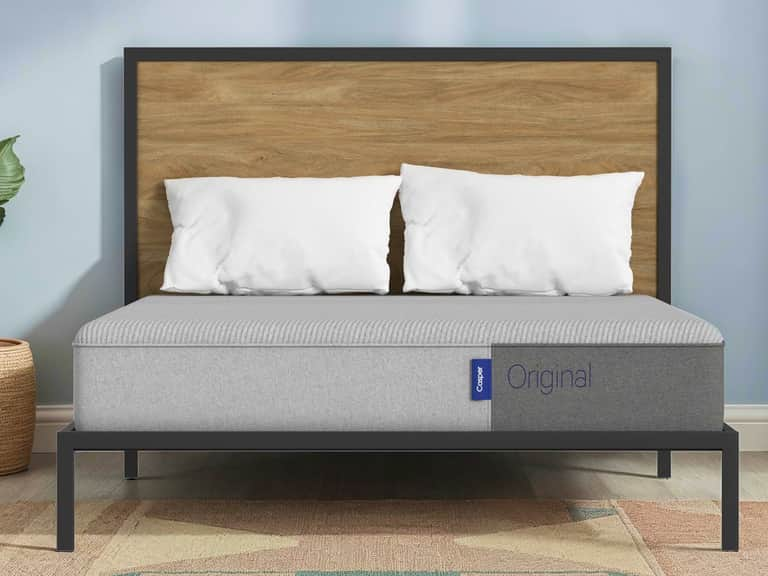
The Original Mattress in this category often focuses on balanced pressure relief and support, combining layer geometry to align the spine and reduce pressure points. Functional benefits may include improved motion isolation for couples and stable edge support, making it suitable for varied sleeping positions and body types without excessive sinking.
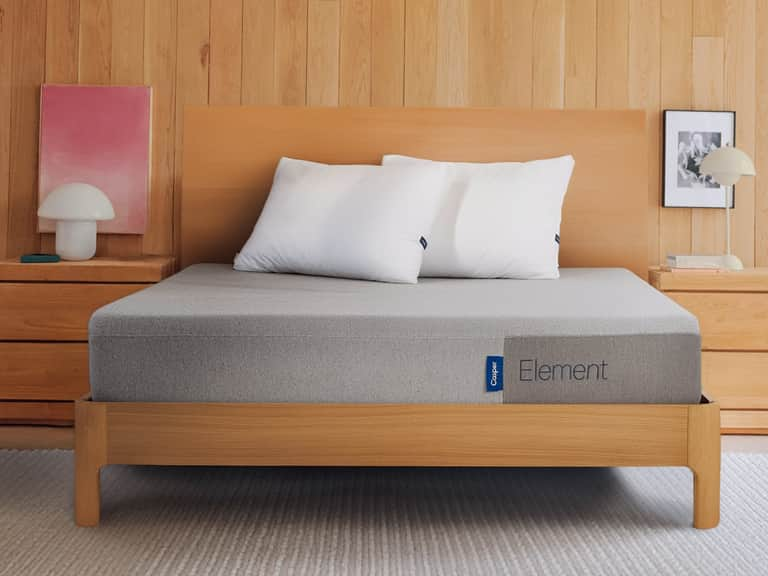
The Element Mattress provides variations in foam density and layering to address different comfort preferences and support needs. Typical features include zoned support to align the lumbar region, responsive transition foams to ease turning, and durable covers designed for long-term wear, all contributing to overall sleep quality and spinal alignment.
In addition to standard foam constructions, the category emphasizes related bedding components such as latex toppers and toppers for foam mattresses. Understanding how toppers alter firmness and temperature regulation can help users adapt existing setups for enhanced comfort, while the inclusion of organic and natural latex options supports considerations around eco-friendly materials and hypoallergenic properties.
 Mattresses